Stain and Cord Mistakes That Damage New Palestine Window Treatments
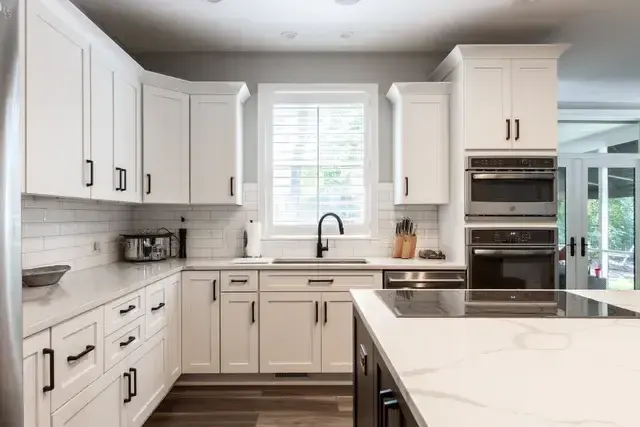
A lot of what people assume about cleaning window treatments turns out to be wrong once you get specific about the material, and nowhere is that truer than with real wood, which behaves nothing like the aluminum or faux wood blinds it often gets grouped with in New Palestine homes.
Routine Dusting for Every Kind of Covering
Ask what the fabric or finish actually recommends for routine dusting in your New Palestine home before you improvise with whatever is under the sink. A cellular shade and an aluminum blind want completely different tools, even though both just need dust removed.
Ask how often a given room realistically needs it based on how the space gets used, not a blanket weekly schedule for the whole house. A kitchen or a room near a returning HVAC vent needs more frequent attention than a guest room that rarely gets opened.
And if you are not sure whether a cloth or a vacuum is safer for a specific material, ask before you start rather than after a finish already looks dull. Wood in particular does not forgive the wrong tool the way aluminum or faux wood does, so it pays to ask first rather than experiment on a window you cannot easily replace.
Caring for Cords and Motors
Lift cords in a New Palestine home pick up dust and hand oil over years of use, enough that they can look noticeably darker than when they were new. Wiping them occasionally with a barely damp cloth keeps them cleaner and easier to grip.
Cord locks, the small mechanism that holds a shade at a set height, wear out eventually. If a shade slowly creeps down after being set, that is usually a worn lock, not a defective shade, and it is a simple part to have replaced rather than living with a shade that will not hold its position.
Cordless and spring-lift shades should move smoothly without binding. If one starts sticking, do not force it, since forcing a stuck lift mechanism is a common way to actually break what was previously just a minor drag.
Good habits keep window treatments looking right for years, but eventually finishes wear and mechanisms age no matter how well they are cared for. When that time comes, a free in-home measure is a low-pressure way to see what replacing just the tired pieces would actually involve.
Cleaning Wood and Aluminum Blinds
The mistake we see constantly in New Palestine homes is someone wiping wood blinds with a wet cloth the same way they would aluminum, because nobody told them the two materials behave completely differently. The wood usually shows it within days, a slightly warped slat or a dull patch in the finish where moisture sat too long.
Another one: scrubbing aluminum slats hard enough to bend them. Aluminum is soft and bends easily under real pressure, so a light touch with a cloth is plenty, and pressing hard to remove a stubborn spot usually just puts a crease in the slat instead.
We have also seen faux wood blinds soaked in a tub like aluminum, which is not necessarily harmful but is not needed either, since a damp cloth in place handles faux wood just as well without the hassle of taking the whole blind down.
Handling Stains and Spots Without Making Them Worse
Acting fast on a fresh spill saves money down the road, since a stain that sets in and dries becomes a much bigger job, sometimes one that needs a professional rather than a quick spot treatment at home.
A magic eraser feels like a cheap, easy fix for almost anything, but it is a mild abrasive, and using one on a New Palestine home's painted or coated wood or faux wood finish can scuff the surface in a way that shows up worse than the mark it was supposed to remove.
For anything beyond a small, fresh spot on fabric, a professional cleaning is usually the safer money to spend, since a DIY attempt that goes wrong on dry-clean-only fabric can set a stain permanently or leave a visible ring that costs more to fix than the original mark.
Cleaning Fabric Shades and Drapery
A roman shade or a roller shade in a New Palestine kitchen or bathroom deals with more airborne grease and moisture than the same fabric would in a bedroom, so those rooms tend to need spot cleaning more often even if the fabric itself is identical.
Drapery in a formal living room, mostly decorative and rarely touched, usually just needs dusting and an occasional light spot check rather than any real cleaning routine, since it is not collecting the daily grime a kitchen shade would pick up over that same stretch of time.
Whatever the room, avoid soaking any fabric shade that has an internal cord or a motor tube built into the roller. Water and mechanical parts do not mix, no matter how stained the fabric itself might look.
Frequently Asked Questions
What is the safest way to remove a fresh stain?
Blot it, do not rub it. Rubbing pushes whatever spilled deeper into the fabric and spreads it wider than the original mark. A mild soap in cold water, applied gently and blotted from the outside of the stain inward, handles most fresh spots without making them worse.
Can I use a magic eraser on my blinds?
Be careful with it on a painted or coated wood or faux wood finish. A magic eraser is a mild abrasive, and it can scuff the surface in a way that shows up worse than the mark it was meant to remove. It is safer on some surfaces than others, so test a hidden spot first.
My shade cord keeps slipping. Is that normal?
It usually means the cord lock, the small mechanism that holds the shade at height, has worn out. That is a simple, inexpensive part to have serviced rather than a reason to replace the whole shade, and it is worth addressing before propping the shade in place becomes the everyday workaround.
 Window Treatments for a New New Palestine Build: A Practical Guide
 How to Childproof the Blinds You Already Have in New Palestine
 Custom Shutters for Odd-Shaped Windows in New Palestine