How to Childproof the Blinds You Already Have in New Palestine
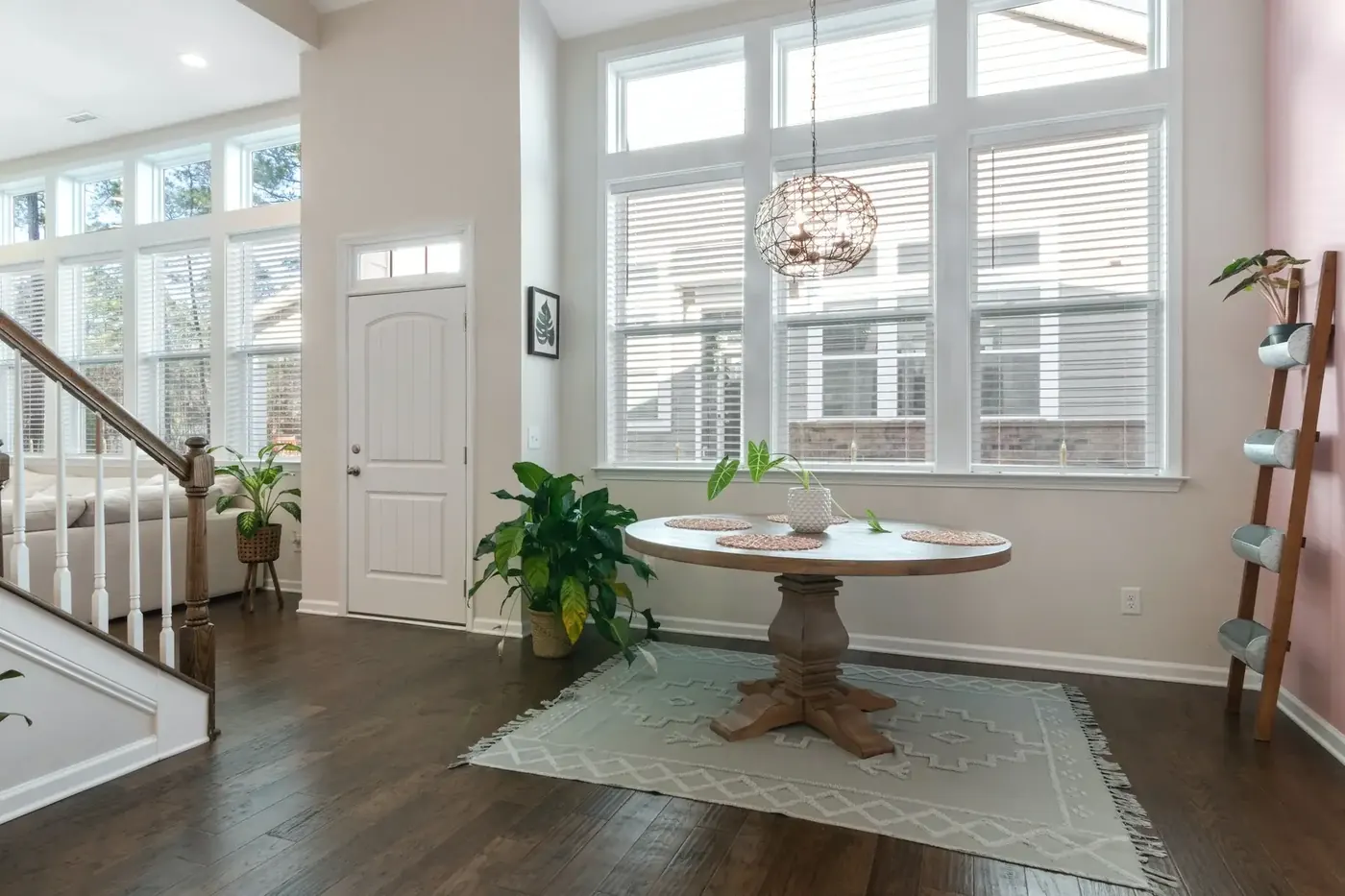
Cordless, cord-free, child-safe: window covering packaging uses these terms loosely enough that it's worth knowing what each one actually promises before assuming a product is safer than it is. The mechanism underneath the marketing is what matters, not the word on the box.
Why a Cord Is More Dangerous Than It Looks
A cord doesn't have to look sinister to be a real hazard. The lift cords on an older blind can bunch into a loop when a kid tugs on them, and it's the loop that catches around a neck, not a dangling end. Continuous loop cords, the kind that handle both lift and tilt on a lot of wood and faux wood blinds, carry more risk than a simple pull cord because the loop is already formed and just needs to snag on something.
Height is the other part people underestimate. A crib positioned near a window, or a reading chair pulled up close to one, puts a toddler's head right at cord level on an average window. New Palestine homes with a window seat or a reading nook are a common setup where nobody planned for a kid to be right there, and that's exactly where these incidents happen.
Cords, Cribs, and Furniture Placement
Crib placement is the first decision, and it's worth making before the window covering is even chosen. Keeping the crib off the window wall entirely removes the question altogether, and it has the side benefit of keeping the baby out of a draft or direct sun in the early morning.
When the room layout genuinely doesn't allow that, common in smaller New Palestine bedrooms converted into nurseries, the covering itself needs to carry more of the safety burden, which is the case for going fully cordless rather than relying on furniture placement or a tension device to do the work instead.
What Cordless Really Costs
Because true cordless and wand-tilt product often sit close together on price, the cost difference usually isn't the reason to pick one over the other, the mechanism is. As a national range, expect $60 to $250 a window for stock cordless product and $200 to $600 installed for custom cordless, with wand-tilt versions landing in roughly the same bracket rather than noticeably cheaper.
Where cost does separate the options is motorization, which removes cords and wands both and typically runs $100 to $300 a window more as a national range. For a New Palestine household weighing a fully cordless nursery against a wand-tilt version at a similar price, the mechanism itself, not the budget, is usually what settles the decision.
A nursery or playroom doesn't need every window in the house redone at once, just the ones where a kid actually spends time. New Palestine Window Treatments offers a free in-home measure focused on those rooms first, with cordless options sized and priced before the crib even arrives.
Making the Blinds You Already Own Safer
Start with what's already on the window before deciding whether to replace or retrofit. A cord cleat, mounted high and used every single time, removes the loose loop. A tension device anchors the loop's bottom end to the wall so there's no slack left to form a hazard in the first place. Both cost very little and take an afternoon to install across a whole house.
For blinds worth keeping, a professional can sometimes swap the cord lock for a cordless clutch, or add a wand in place of a tilt cord, without replacing the fabric or slats themselves. This isn't available for every brand or headrail style, and a measure visit is the fastest way to find out which of your existing blinds are actually candidates.
It's worth checking every window during that walk-through, not just the ones in a kid's room right now. A guest room today can become a nursery in a year, and a blind that's fine to leave corded in a rarely used room can become a priority the moment that room's purpose changes.
How Cordless Lift Systems Actually Work
What you're actually paying for is a spring clutch or a spring motor built into the headrail that holds tension so the shade stays put wherever you leave it. That part costs more to manufacture than a plastic cord lock, and for years that was most of where the price gap came from. On current product lines, that gap has mostly closed, so the safer mechanism isn't the budget-breaker it once was.
Motorized versions swap the spring mechanism for a small electric motor, battery-powered or hardwired, run from a remote or a wall switch. That's a bigger cost step, but it solves reach problems along with the safety question, which matters on anything mounted above a standard window height where a wand or a bottom rail is awkward to reach anyway.
Frequently Asked Questions
What's the difference between 'cordless' and 'child-safe' on a product label?
Cordless means there's no cord operating the lift function at all, full stop. Child-safe is a looser term that sometimes describes a product with a tension device or a shortened cord rather than one with no cord present. The two aren't interchangeable, and a product labeled child-safe can still have a cord that needs careful placement and furniture rules around it, where a genuinely cordless product removes that variable entirely.
Are motorized shades actually cordless, or is there still a cord somewhere?
A properly installed motorized shade has no external lift cord for a kid to reach, since the motor handles lift and the control is a wall switch or an app instead of a physical cord attached to the shade. There can still be a power cord for a plug-in motor, which matters for placement near an outlet, but that's a different kind of cord than the lift cords this issue is actually about, and it's typically routed well away from where a kid would stand.
Is the WCMA safety standard something the company is certified in?
No, and it's worth being clear about what that standard actually covers. ANSI/WCMA A100.1-2022 is a product standard that manufacturers build window coverings to, setting rules for cord length, breakaway tension devices, warning labels, and which stock products have to ship cordless. It's not a certification a company holds, it's a spec the product itself either meets or doesn't, and it's one of the reasons stock cordless product has become so much more common on shelves in recent years.
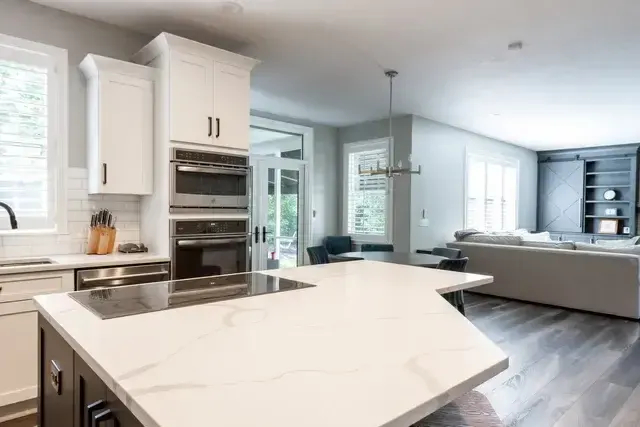 Window Treatments for a New New Palestine Build: A Practical Guide
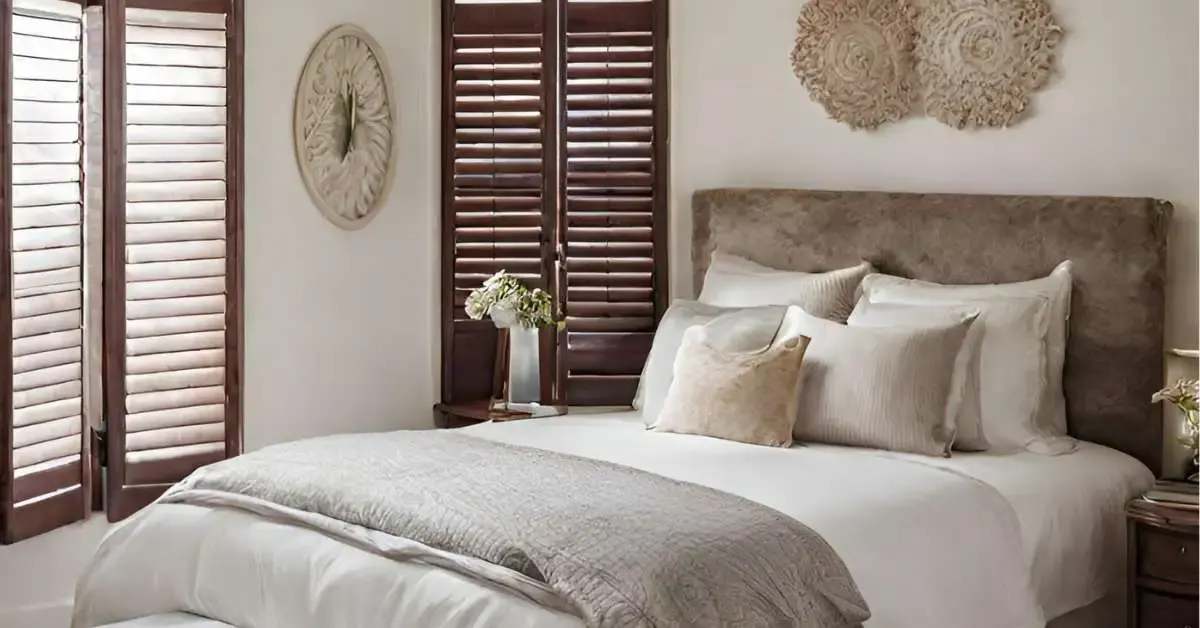 Custom Shutters for Odd-Shaped Windows in New Palestine
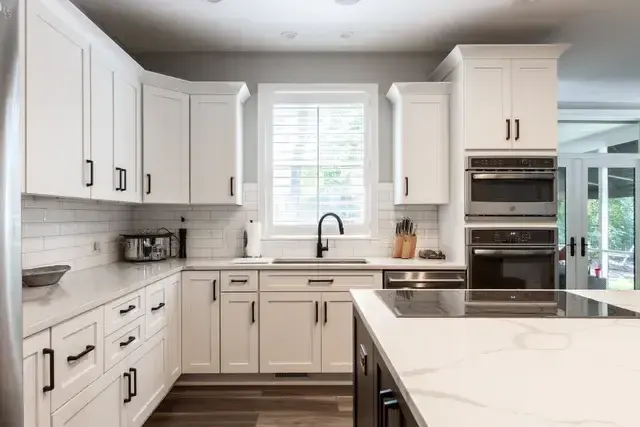 Stain and Cord Mistakes That Damage New Palestine Window Treatments