Window Treatment Mistakes to Avoid in a New Palestine Home
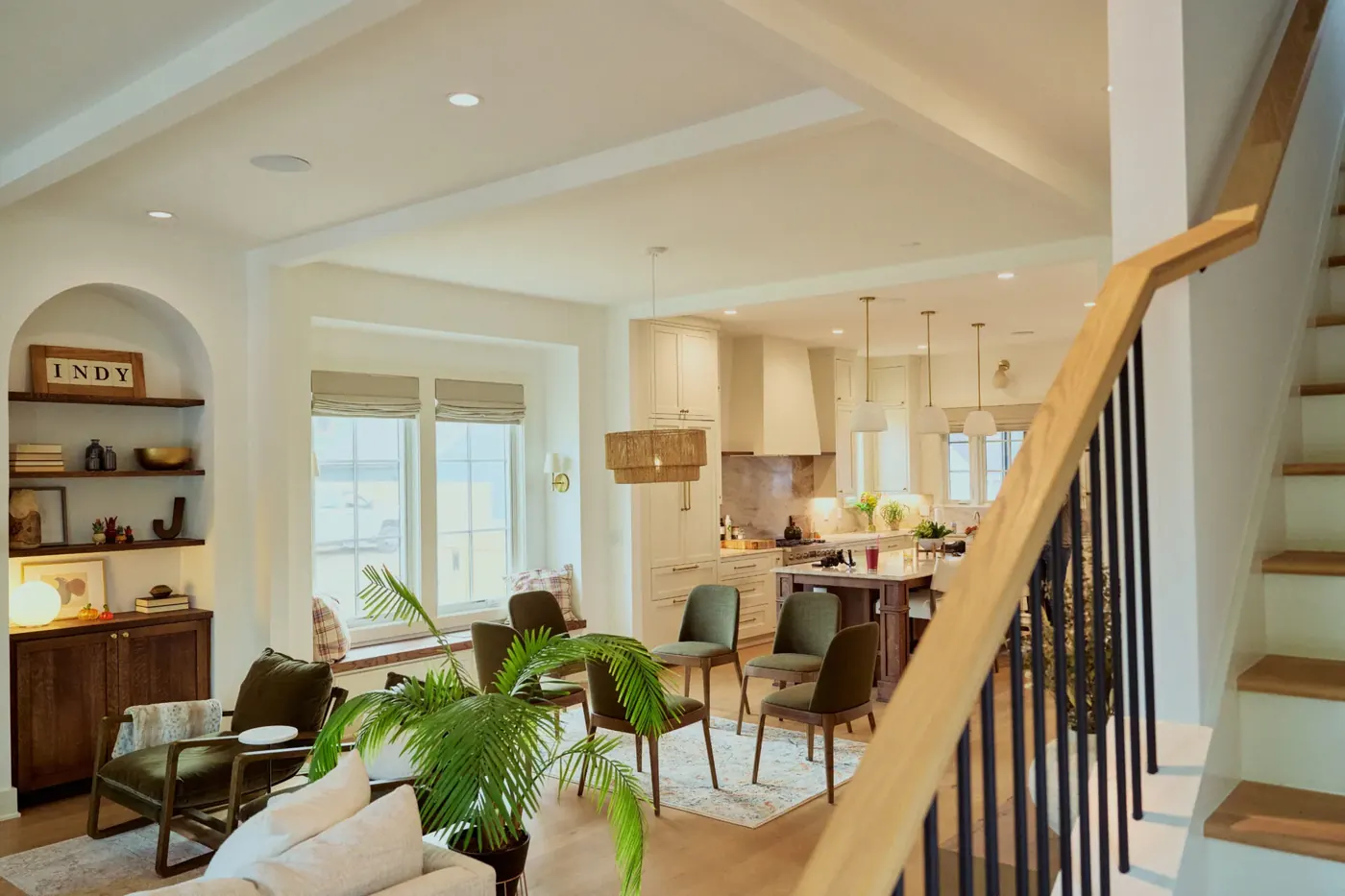
Most houses get one window treatment decision applied to every opening, and that's why so many of them feel a little off. A kitchen has a different problem than a bedroom. A west facing great room has a different problem than a north facing dining room. This is a walk through a New Palestine house one room at a time, naming the light problem and the privacy problem in each space before naming any product, including what neighbors in Centennial, Centennial Commons, Centennial Village and Centennial North tend to run into.
The Four Types of Window Treatments
The most common mistake is picking one of the four families and using it on every window in the house. Blinds, which use hard slats or vanes that tilt, are the default a lot of people reach for everywhere, but a hard slat blind on a wide slider is awkward compared with vertical vanes made for exactly that job. Shades, one piece of material that rolls, stacks or folds, cover the widest range of problems, from a plain roller to a cellular shade built for a cold room.
Shutters get skipped more often than they should, especially on a front room in New Palestine, because they read as part of the house in a way nothing else does. Drapery gets left out of homes that would benefit most from it, particularly a room with hard floors and a lot of glass, where fabric is the only thing on this list that also absorbs sound.
What Drives the Price
Stock product runs roughly $60 to $600 a window nationally, and custom product, measured and installed, runs roughly $250 to $2,600 a window. Where a New Palestine house actually needs custom is usually four or five openings, not twenty. A great room wall of glass and the primary bedroom are worth it on their own, and whatever else faces the street usually rounds out the list.
Basements, closets, laundry rooms and a guest room that gets used twice a year are fine with something modest, and nobody regrets an inexpensive blind there. Two habits keep a phased project looking deliberate instead of assembled. Keep one product family per floor and vary only the fabric. Then finish one room completely before moving to the next, rather than spreading a partial upgrade across every window in the house.
What Happens at the In-Home Measure
A measure appointment runs about an hour, and it's where money gets saved or wasted on a custom order. The measurer takes width at the top, the middle and the bottom of each opening, and height at the left, center and right, then checks both diagonals for square. The narrowest width and shortest height govern an inside mount, and a shallow mounting depth pushes the job to an outside mount instead, which changes the material cost as well as the look.
What that hour actually buys is a job that doesn't get remade. When a homeowner measures and orders online, a bad number is the homeowner's cost to fix. When the company that measured it gets a number wrong, the remake is on them. That difference is most of what a measure is actually paying for, and it's worth asking about directly in New Palestine before signing anything.
How to Decide What Goes Where
Most people start with fabric and color and work backward, which is exactly why so many end up disappointed. Work through it in a different order: light first, then privacy, then who operates the thing, then the mount, with material dead last.
Light means noticing what time of day the sun hits an opening and where it lands. A west facing family room with a television on the wall in a New Palestine house is a glare problem, not a color problem, and a 3 percent solar shade solves it while keeping the view. Privacy is separate. Is anyone really looking in, or does the room only feel exposed after dark? A front room facing the street usually falls into that second group, which is why a top down bottom up cellular shade earns its keep there, covering the lower half of the glass while daylight still comes over the top.
Mount comes near the end: inside the opening looks cleaner, while outside on the wall covers more light and hides an opening that has gone slightly out of square. Material and color come last, once everything else has narrowed the choice down.
Contracts and Custom Order Timelines
Custom fabrication for any of the four families usually runs two to five weeks from order to install, and shutters tend to sit at the longer end of that window while a simple roller sits at the shorter end. Whatever you choose, order a full room's worth together. Fabric is dyed in batches, and two shades in the same color bought months apart can read differently in afternoon light once they're both hanging.
The Home Improvement Contract Act, IC 24-5-11, requires a written contract for residential work over $150 in IN, with a real scope and a total price before work starts. Whichever product family you pick, get the mount type and the lift or draw mechanism written down for New Palestine before signing.
The four families solve different problems, and once you know which one you're actually shopping for, the rest of the decision moves fast. New Palestine Window Treatments will help you match the family to the room before talking fabric or color, and we're insured and bonded for the work itself. Call (317) 999-5154 and we'll walk through it together at your kitchen table in New Palestine.
Frequently Asked Questions
What is a three-point measure and why does it matter?
Width gets measured at the top, the middle and the bottom of the opening, and height at the left, the center and the right. On an inside mount, the narrowest width and the shortest height are the ones that count, because the product has to fit the tightest spot. Both diagonals get checked corner to corner too, and if they don't match, the opening is out of square, which predicts whether a straight-edged shade will show a wedge of daylight at the top.
How long does custom product take to arrive?
Plan on two to five weeks from the day you approve the order to the day it gets installed. The product doesn't exist yet when you order it; the factory builds it to your finished width and height, then it ships and gets scheduled. Shutters tend to sit at the longer end of that window, and a simple roller shade sits at the shorter end.
Do I need to be home for the measure?
Someone who can make decisions should be, because the measure is also a conversation. Half of the appointment is numbers, and the other half is questions, like which side the control goes on and whether a room needs to get truly dark. Those answers change what gets ordered. A whole house usually takes about an hour.
 Window Treatments for a New New Palestine Build: A Practical Guide
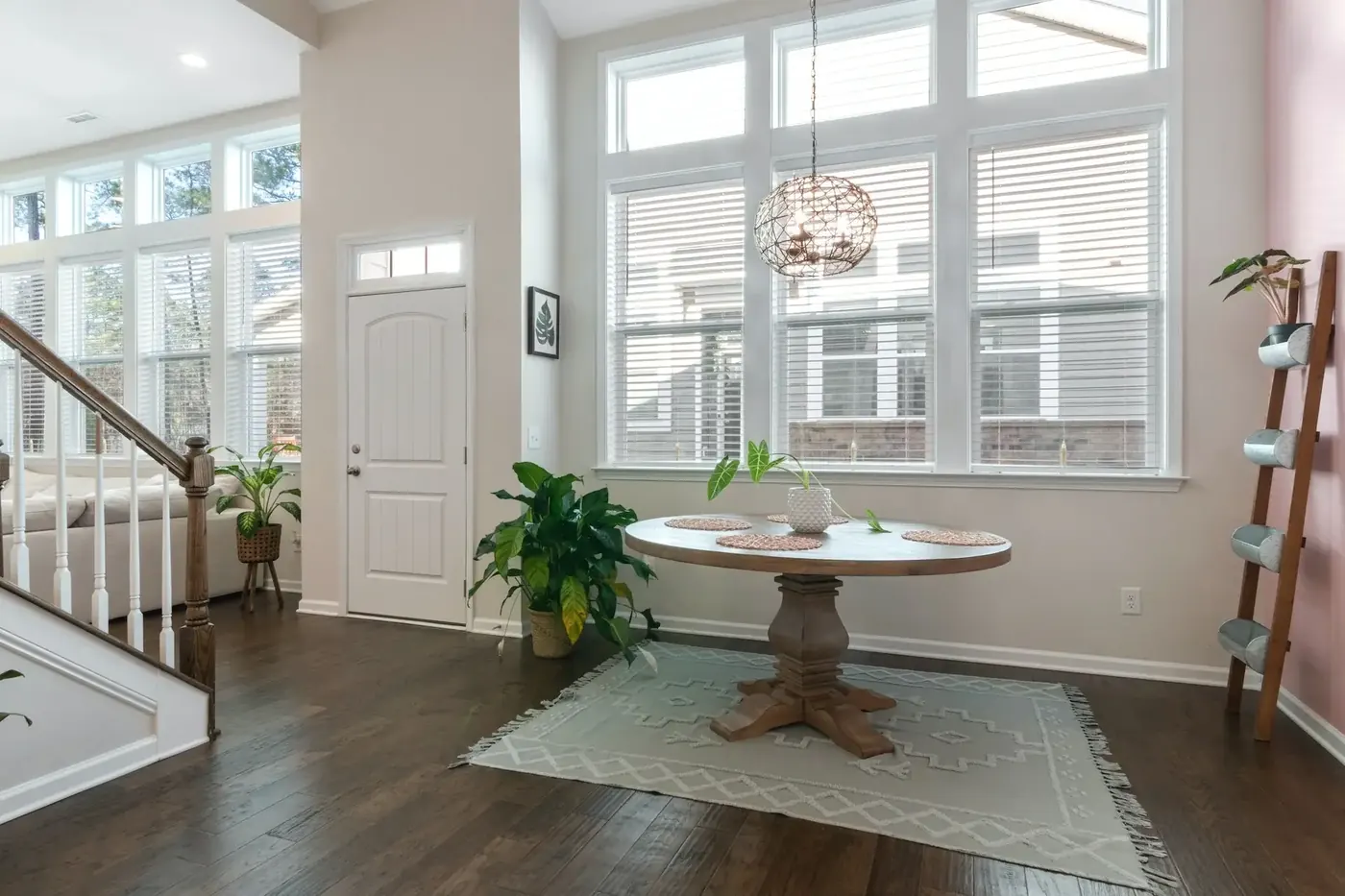 How to Childproof the Blinds You Already Have in New Palestine
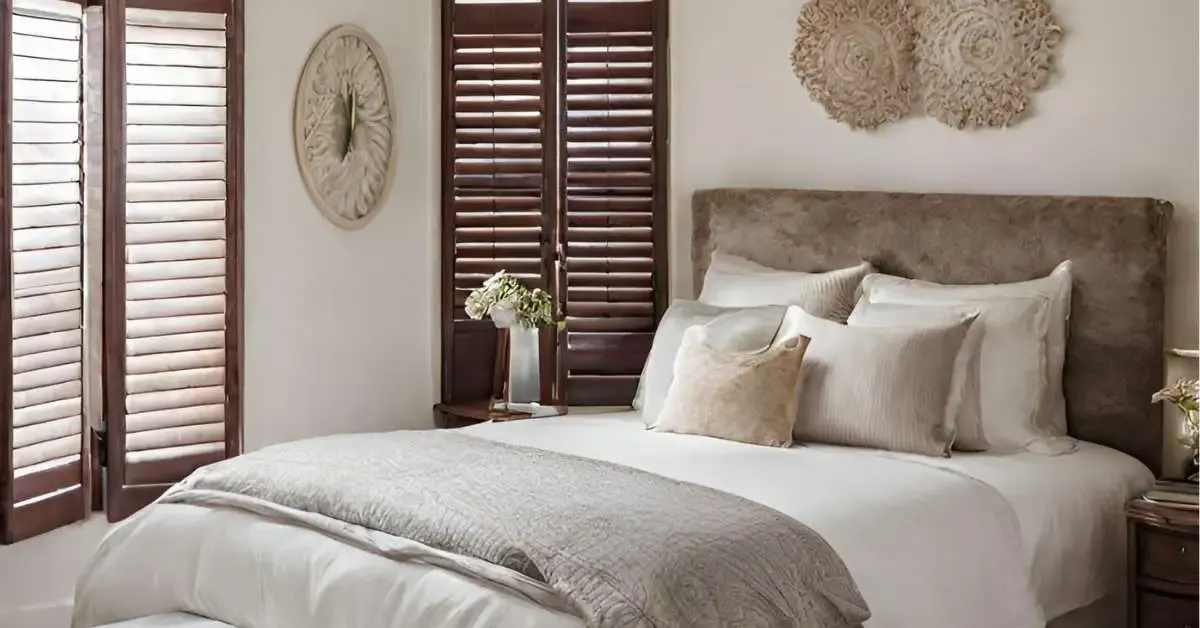 Custom Shutters for Odd-Shaped Windows in New Palestine